
Tracing the historical evolution of gambling From ancient rituals to modern play
The Origins of Gambling in Ancient Cultures
The roots of gambling can be traced back to ancient civilizations, where games of chance and skill were often intertwined with religious and social practices. Archaeological evidence suggests that dice, used for gambling, date back to as early as 3000 BC in Mesopotamia. These early games were not just about chance; they often held significant cultural and spiritual meanings, serving as tools for divination or decision-making in communal rituals. In modern contexts, learning how to play 3d slots can provide a similar thrill for today’s gamblers.
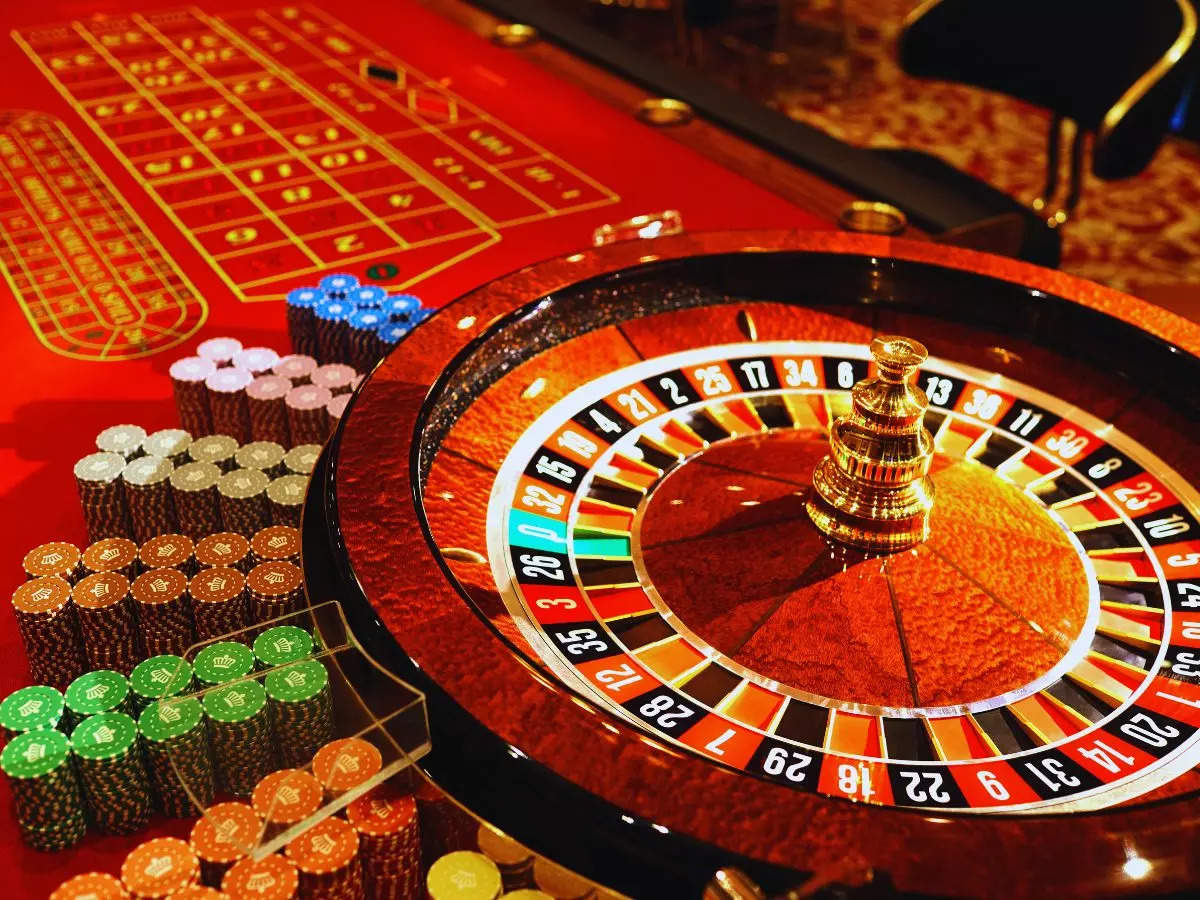
In ancient China, gambling was a regulated activity, featuring games similar to modern-day lotteries. The Han dynasty (206 BC – 220 AD) saw the creation of betting games, which were an essential part of the social fabric. As gambling spread across cultures, its forms diversified, adapting to local customs and laws, leading to the rich tapestry of games we see today.
The Evolution of Gambling Through the Ages
The Middle Ages marked a notable shift in the perception of gambling. Initially viewed with skepticism, it became increasingly popular in European courts. The introduction of playing cards in the late 14th century revolutionized gambling. Card games spread rapidly, leading to the establishment of gambling houses in cities like Venice and Paris, where the elite gathered to play.
By the 17th century, gambling had evolved into an organized form of entertainment, with the first official casinos appearing in Italy. These establishments catered to the wealthy and laid the groundwork for modern casinos. As gaming spread across Europe, the regulations began to emerge, attempting to control the growing popularity and associated risks of gambling.
The Rise of Modern Casinos and Betting Houses
The 19th century heralded the birth of the modern casino. Places like Monte Carlo became synonymous with glamour and high stakes, attracting players from around the world. The establishment of the first legal casinos in the United States, particularly in Nevada, signified a new era. By the mid-20th century, Las Vegas had transformed into the gambling capital of the world, offering a mix of entertainment, luxury, and excitement.
The introduction of slot machines and various table games such as blackjack and poker further diversified the offerings at casinos, appealing to a broader audience. This period saw the merging of gambling with tourism, as cities developed large-scale resorts that combined gaming with entertainment and leisure activities.
The Digital Transformation of Gambling
With the advent of the internet in the late 20th century, gambling underwent a significant transformation. Online casinos emerged, allowing players to gamble from the comfort of their homes. This digital shift not only made gambling more accessible but also introduced innovative gaming formats, such as live dealer games and virtual reality experiences.
Online gambling has continued to evolve, with mobile gaming becoming a dominant force. Players can now enjoy their favorite games on smartphones and tablets, enhancing convenience and engagement. The rise of cryptocurrencies has further impacted the industry, providing new methods for transactions and anonymity in gambling activities.
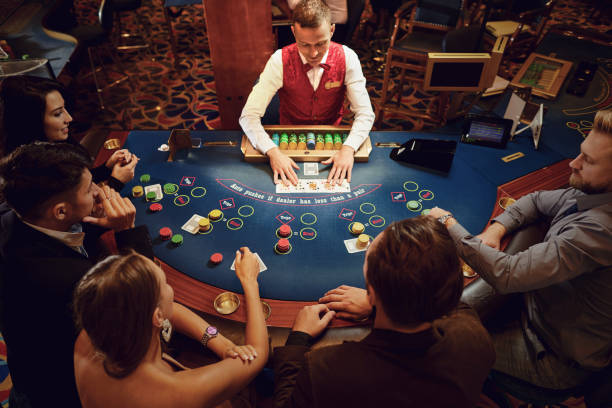
Exploring Online Gaming Today
In today’s fast-paced digital landscape, online gaming platforms like Pinco Casino Canada offer a captivating experience for players. With an extensive collection of 3D slots, including options for 2026 No Deposit 3d Slots Online, and interactive features, these platforms cater to both casual gamers and seasoned players. The immersive graphics and engaging gameplay create a unique environment that keeps players coming back for more.
Generous bonuses and promotions enhance the overall experience, allowing players to maximize their chances of winning big. As the world of gambling continues to evolve, online casinos are at the forefront, combining tradition with innovation to meet the diverse needs of the modern player.