
Debunking the seven biggest myths about gambling misconceptions
Understanding Gambling Addiction
Many people believe that gambling addiction only affects a small segment of the population, but the reality is far more complex. Gambling addiction can impact anyone, regardless of age, gender, or socioeconomic status. It is characterized by an overwhelming urge to gamble, even when it leads to negative consequences. Understanding the nuances of gambling addiction is essential for promoting awareness and supporting those who struggle with this issue.
Additionally, a common misconception is that gambling is merely a phase or a hobby that can be easily controlled. In truth, for many individuals, it becomes a compulsive behavior that can spiral out of control. This misunderstanding often prevents individuals from seeking help, as they may downplay the severity of their situation. Education and awareness are key components in combating these myths and supporting recovery.
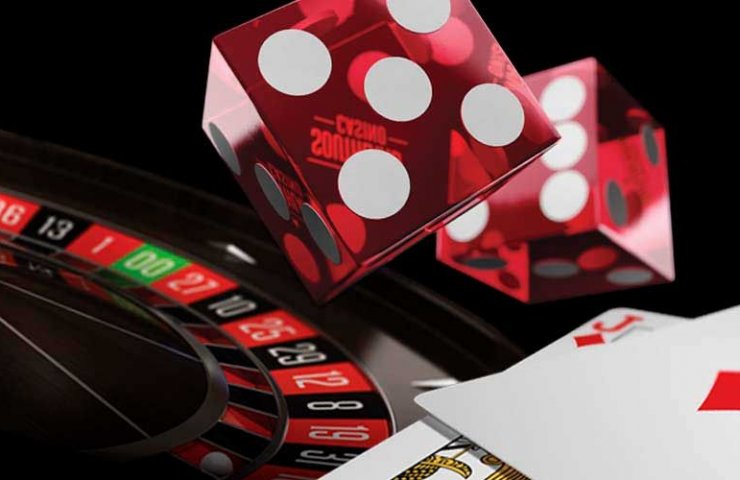
Lastly, it’s crucial to recognize that gambling addiction can coexist with other mental health disorders, such as depression and anxiety. This dual diagnosis complicates treatment and often requires specialized care. By dispelling myths surrounding gambling addiction, society can foster a more supportive environment for individuals in need of assistance.
The Luck Factor
One of the most pervasive myths in gambling is the belief that luck is the primary determining factor of success. While luck plays a role, it is essential to understand that many games are based on skill, strategy, and probability. For instance, poker requires players to analyze their opponents and make informed decisions, while games like blackjack depend on mathematical strategy. Overemphasizing luck undermines the skill sets that contribute to success in gambling.
Moreover, the notion that certain players are “luckier” than others can create an unhealthy mindset. This belief can lead to the gambler’s fallacy, where individuals think that past outcomes will influence future results. For example, someone might believe that a slot machine is due for a payout because it hasn’t won recently. This type of thinking can contribute to problematic gambling behaviors and financial loss.
It is also important to note that casinos employ strategies to ensure their house edge, meaning that the odds are always in the casino’s favor. Understanding this concept can help gamblers make informed decisions and play responsibly. Education about the role of luck versus skill can empower individuals to engage in gambling activities with a more realistic outlook.
The Belief in Hot and Cold Streaks
Another common myth is the idea of hot and cold streaks in gambling, where players believe they are on a winning or losing streak based on their recent experiences. This notion can lead gamblers to chase losses, often resulting in greater financial harm. In reality, each game outcome is independent, especially in games governed by random number generators, which ensure that each spin or deal is entirely random.
This misconception can create a false sense of security for players, making them believe that they can predict future outcomes based on their recent wins or losses. For example, a player who has won several hands in a row may feel confident and continue betting larger amounts, ignoring the fact that each hand is a separate event with its own probabilities. This mindset can encourage reckless behavior, ultimately leading to addiction.
By debunking the myth of hot and cold streaks, gamblers can be more rational in their decision-making. They can approach gambling as a form of entertainment rather than a surefire way to make money. A better understanding of randomness and probability can help players maintain a healthier relationship with gambling.
The Notion of Control and Systems
Many gamblers operate under the illusion that they can control the outcome of games through specific strategies or betting systems. While there are strategies that can enhance a player’s chances in certain games, no system can guarantee success. This myth can lead players to invest money into systems that promise to turn their fortunes around, often resulting in disappointment and financial loss.
For instance, some players may rely on betting systems like the Martingale, which suggests doubling bets after a loss to recover losses. While this may work in theory, it can quickly lead to substantial financial risks. The truth is that gambling is inherently unpredictable, and no amount of strategizing can change the odds set by the game itself.
Recognizing the limitations of systems can help players approach gambling with a more balanced perspective. It encourages responsible gaming behaviors and discourages reliance on fallacies. Understanding the house edge and the nature of random outcomes can equip players with the knowledge they need to enjoy gambling as a form of entertainment rather than a method of income.
Patrick Spins Casino: A Safe Gaming Environment
Casino offers a comprehensive online gaming experience while prioritizing player safety and responsible gambling practices. With a wide range of games, including slots and table games, the platform caters to both novice and seasoned players. The user-friendly interface allows for smooth navigation, ensuring a seamless gaming experience for everyone.
Casino is committed to promoting gambling addiction awareness by providing resources for players who may be struggling. They offer various tools for responsible gaming, including deposit limits and self-exclusion options. Their 24/7 customer support is available to assist players in managing their gaming habits and accessing the help they need.
By creating an engaging yet responsible gaming environment, Casino strives to dispel myths surrounding gambling while fostering a community that encourages safe practices. This commitment to player well-being helps ensure that gaming remains a fun and enjoyable experience without falling into the traps of addiction or misinformation.